Historic Charities

Originally the poor were cared for by the giving of alms and charity by the monastic houses, but following the Reformation the responsibility was passed over to the parishes. Churchwardens and several substantial householders were chosen each year as overseers of the poor, to maintain them and set them to work, the funds being provided by every inhabitant.
Elizabethan Poverty - During Queen Elizabeth I’s reign, 1558 - 1603, the population rose rapidly, from about 3 to 4 million. The extra population were increasingly unable to support themselves. There were also a number of poor harvests in the 1590s which led to food price increases and a drop in the standard of living. The Government determined that each community was responsible for the care of its poor and set up several Acts, one of which stated that a churchwarden and 2 or 3 substantial householders from each parish should be nominated annually to supervise the needs of the poor.
Despite this, one of the most important sources of support was private benefactors, such as Sir Edward Randall, who established his charity in 1590 to help the poor of Edlesborough, Dagnall and Northall.
It became almost impossible for the poor to move from their parish of settlement. Vagrants and beggars were arrested and beaten and families were often split up in consequence. People receiving relief from the parish were made to wear a badge on the shoulder of the right sleeve of their outer garment. The penalty for not wearing this was withdrawal of relief, whipping and 21 days hard labour in gaol.
In 1683 the five children of a family in Edlesborough seemed likely to become dependent upon the parish after their father was arrested for begging. Each child had been born in separate parishes as their parents had moved from place to place for work. The first three were ordered to be removed to their different birthplaces at once and the others to be similarly removed when they were 7 years old.
Seven appears to have been the age of responsibility. Child paupers were apprenticed at that age. After a constable at Wing had publicly flogged two children aged 4 and 2 years for begging, there was such an outcry that a Buckinghamshire court ruled that no vagrant under 7 years could be whipped.
Victorian Poverty - By the beginning of the 19th century poverty was still regarded as the natural state of the labouring poor. Fluctuating harvests, disruption of war and the fine line between subsistence and penury were seen as inevitable and difficult to change. The years following the Napoleonic wars (ended 1815) were particularly hard and many people existed almost entirely on turnips grown in the village.
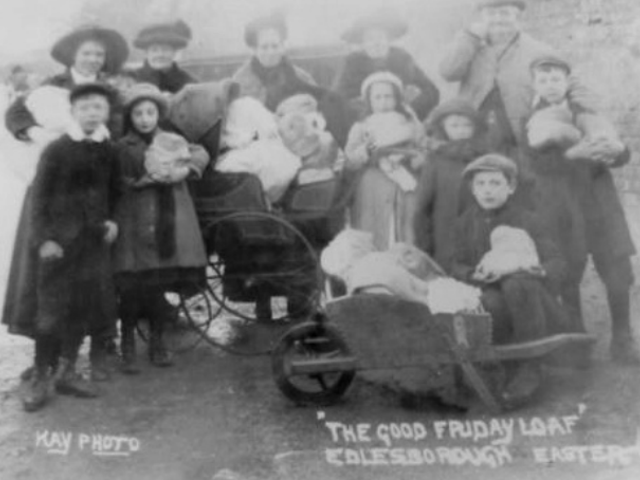
The poor were often unwilling to apply for relief, so the number of charities gradually increased, directed at those least able to help themselves, eg the children and the sick, plus relief for the destitute. The charities set up by Thomas Ginger and Joseph Chennell both fell within these categories.